
Nursing notes in PDF format serve two critical purposes: they provide downloadable templates that standardize your documentation, and they offer portable reference guides you can access anywhere, anytime. Whether you’re a new graduate learning charting fundamentals or an experienced RN updating your practice for 2026 standards, having reliable PDF resources at your fingertips streamlines documentation while ensuring you meet legal and professional requirements.
Good nursing documentation protects patients and safeguards your nursing license. In Canadian healthcare settings, your notes create the legal record of patient care, inform treatment decisions across care teams, and demonstrate your clinical judgment when questions arise months or even years later. The challenge? Balancing thorough, accurate documentation with the time constraints of a busy shift.
That’s where quality PDF resources prove invaluable. Templates help you capture essential information systematically. Reference guides clarify what details matter most for different situations, from routine vital signs to critical incident reports. Study materials reinforce best practices for narrative notes, charting by exception, and electronic health record entries.
This guide addresses both sides of your search: understanding what makes nursing notes legally sound and clinically useful, plus accessing trustworthy PDF tools that support your practice. You’ll learn current Canadian documentation standards, common pitfalls that leave nurses vulnerable during reviews or complaints, and where to find resources designed specifically for the realities of nursing in Canada today.
What Nursing Notes PDF Documents Are

Nursing notes in PDF format are digital documents that contain comprehensive records of patient care, including assessments, interventions, responses to treatment, and clinical observations. These portable files serve multiple essential functions: they create permanent documentation of care provided, facilitate communication between healthcare team members across shifts and settings, establish legal records of clinical decisions, and support continuity of care when patients transfer between facilities or providers.
The PDF format has become a standard in Canadian healthcare for several practical reasons. Unlike proprietary software formats that require specific programs to open, PDFs can be viewed on virtually any device without special software, making them universally accessible to nurses, physicians, and other care team members. They preserve formatting consistently across different platforms, ensuring that documentation appears identical whether viewed on a desktop computer, tablet, or smartphone. PDFs also support secure encryption and digital signatures, addressing privacy requirements under provincial health information legislation.
The transition from paper charting to digital documentation has transformed nursing practice across Canada over the past two decades. While many facilities now use electronic health record systems for real-time documentation, PDFs remain essential for specific purposes. Nursing students and educators use PDF templates to teach documentation skills and proper charting techniques. Provincial regulatory colleges distribute practice standards and documentation guidelines in PDF format for easy reference. Healthcare facilities provide orientation materials, policy documents, and specialized assessment forms as PDFs that nurses can download and reference as needed.
Many nurses maintain personal reference libraries of PDF resources, including documentation frameworks, assessment templates, and clinical guidelines they’ve collected throughout their careers. These portable references prove particularly valuable during transitions between positions, when learning new documentation systems, or when working in temporary or casual roles across different facilities.
Documentation Requirements and Standards for Nursing Notes
Essential Elements Every Nursing Note Must Contain

Every complete nursing note requires specific nursing documentation elements that meet provincial regulatory standards and support safe patient care. Missing even one component can compromise care continuity and expose nurses to professional liability.
Patient identifiers form the foundation of any nursing note. You must document at least two unique identifiers, typically the patient’s full name and date of birth or health card number, following your facility’s policy. Never rely on room numbers or bed assignments alone, as these change frequently and can lead to documentation errors.
Date and time stamps establish when care occurred and observations were made. Record the exact time you performed assessments or interventions using 24-hour clock format to eliminate AM/PM confusion. If you’re documenting retrospectively, note both the time of the event and the time of documentation, though real-time recording is always preferred.
- Patient identifiers (minimum two, such as full name and date of birth)
- Date and exact time of assessment, intervention, or observation
- Objective assessment findings using measurable data
- Interventions performed, including medications administered
- Patient response to care and any changes in condition
- Your full signature with professional designation and registration number
Assessment findings must be objective and specific. Document vital signs with actual numbers, wound measurements in centimeters, pain ratings on standardized scales, and observable behaviors rather than interpretations. Write “patient grimacing and guarding abdomen” instead of “patient appears uncomfortable.” Include relevant negative findings too, like “no redness noted at IV site,” which demonstrate thorough assessment.
Interventions require detailed documentation of what you did, why you did it, and what medications or treatments you provided. Record medication names, doses, routes, and sites. For procedures, note the technique used and any patient education provided.
Patient response closes the documentation loop. How did the patient react to your intervention? Did pain decrease after medication? Did breathing improve with oxygen therapy? This outcome documentation proves your care was effective and guides the next nurse’s decisions.
Your signature authenticates the note as your professional work. Sign with your full name followed by your credentials and registration number as required by your provincial college. Electronic signatures must meet the same authentication standards as handwritten ones.
These elements work together to create a complete record that protects patients through clear communication and protects you by demonstrating you met your professional standards.
Professional Standards and Provincial Regulatory Expectations
Every province and territory in Canada sets documentation expectations through its nursing regulatory college, and while the details vary, the core obligations remain consistent: nurses must create accurate, timely, objective records that protect patient privacy and support continuity of care.
The College of Nurses of Ontario (CNO), British Columbia College of Nurses and Midwives (BCCNM), Saskatchewan Registered Nurses Association (SRNA), and their counterparts across Canada all emphasize that nursing notes must be documented timely and factual. This means recording observations and interventions as soon as reasonably possible after they occur, not at the end of a shift when details fade, and sticking to observable facts rather than assumptions or judgments. A note stating “patient appears anxious” is less objective than “patient reports feeling nervous, heart rate 102, hands trembling.”
Your provincial college expects documentation to be complete enough that another nurse could pick up care based solely on what you’ve written. Missing information, vague descriptions, or delayed entries create gaps that compromise patient safety and put your practice at risk during audits or legal proceedings.
Confidentiality is non-negotiable. Documentation must protect patient privacy according to provincial health information legislation, which means storing notes securely, accessing only the records you need for direct care, and never sharing identifiable information outside authorized channels. Even when using PDF templates or reference materials, you’re responsible for ensuring patient data remains protected.
Most colleges publish detailed practice standards and documentation guidelines on their websites, often available as downloadable PDFs. These resources clarify what constitutes adequate documentation in your jurisdiction, outline retention requirements, and explain the correction procedures you must follow if you need to amend a record. Familiarize yourself with your college’s specific expectations, they’re the professional standard you’ll be measured against, whether you’re documenting in an electronic system, on paper, or using PDF forms.
Legal and Ethical Obligations in Documentation
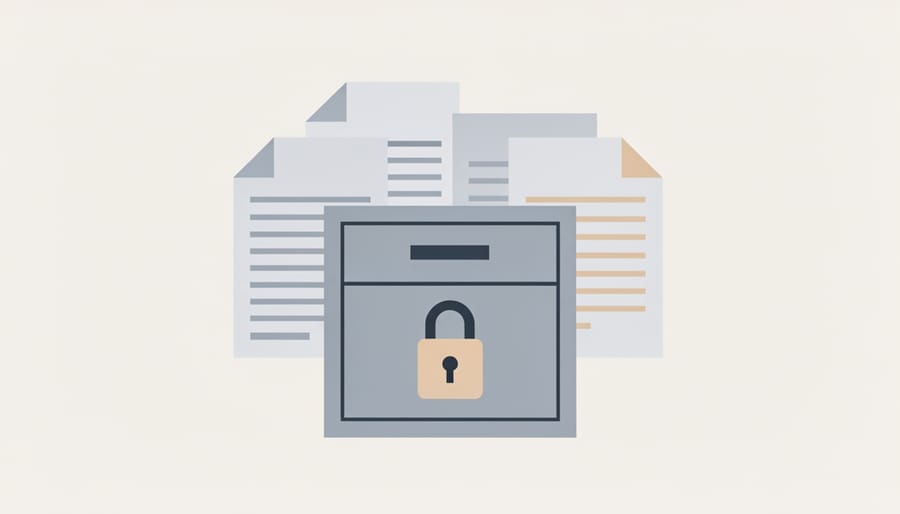
Nursing documentation serves as a permanent legal record that can be subpoenaed in civil litigation, professional discipline hearings, and criminal proceedings. Under provincial evidence acts, patient charts are admissible in court, and the legal principle “if it wasn’t documented, it wasn’t done” means omissions can undermine a nurse’s credibility regardless of actual care provided. This is why thorough documentation protects both patients and nursing careers.
Provincial health information acts (like Ontario’s PHIPA or BC’s PIPA) impose strict confidentiality obligations, requiring nurses to protect patient privacy, access records only for legitimate care purposes, and report breaches immediately. Retention requirements vary by province but typically mandate keeping records for 10 years after the last patient contact or until a minor reaches age of majority plus the retention period. When corrections are necessary, nurses must never alter original entries; instead, draw a single line through the error, write “error” with the date and initials, then add the correct information nearby with a timestamp. These practices ensure documentation integrity while meeting both ethical duties to patients and legal obligations to regulatory bodies.
How to Complete Effective Nursing Documentation
Common Documentation Frameworks and Templates
Canadian nurses have several structured documentation frameworks available in PDF template format, each designed to organize patient information systematically and support consistent record-keeping across shifts and care settings.
The SOAP framework (Subjective, Objective, Assessment, Plan) remains widely used in outpatient clinics and primary care settings. It separates what the patient reports from measurable clinical findings, your professional judgment, and the care plan moving forward. DAR (Data, Action, Response) works well for focused problem documentation, particularly when tracking interventions and their outcomes. PIE (Problem, Intervention, Evaluation) integrates with problem-oriented care plans, while narrative documentation allows for chronological storytelling of patient encounters, useful in emergency departments where events unfold rapidly.
| Framework | Structure | Best Use Case | Example Application |
|---|---|---|---|
| SOAP | Subjective, Objective, Assessment, Plan | Primary care, routine assessments | Clinic visits, ongoing chronic disease management |
| DAR | Data, Action, Response | Problem-focused documentation | Tracking specific interventions like pain management |
| PIE | Problem, Intervention, Evaluation | Problem-oriented care plans | Rehabilitation settings, complex care coordination |
| Narrative | Chronological storytelling | Emergency or rapidly changing situations | Critical events, incident documentation |
Templates support professional documentation habits by providing consistent structure across your team. When everyone uses the same framework, handoff communication becomes clearer and critical information doesn’t get buried in unstructured notes. Many nurses keep several good nursing notes examples as references when learning new frameworks or adapting to different clinical environments.
Your facility likely has preferred formats, but understanding multiple frameworks gives you flexibility. Some nurses find SOAP too rigid for acute care settings, while others appreciate its clear separation of clinical reasoning from raw data. Choose the framework that matches your patient population and documentation workflow, then stick with it consistently.
Where to Access Nursing Notes Resources and Templates
Provincial Nursing Colleges and Regulatory Bodies

Each Canadian province and territory maintains a nursing regulatory body that establishes documentation standards for nurses practicing in that jurisdiction. These organizations provide authoritative guidance on what constitutes acceptable nursing documentation and set expectations for practice.
The College of Nurses of Ontario (CNO), College of Registered Nurses of British Columbia (CRNBC), Saskatchewan Registered Nurses Association (SRNA), and College of Registered Nurses of Alberta (CRNA) all publish comprehensive documentation standards available through their websites. Most provincial colleges offer downloadable PDF resources outlining documentation requirements, best practices, and professional expectations specific to their jurisdiction.
To access these resources, visit your provincial or territorial regulatory college’s official website. Look for sections labeled “Practice Standards,” “Documentation Guidelines,” or “Professional Resources.” Many colleges require member login to access detailed practice resources, though general documentation standards are typically available publicly. Some colleges provide specific documentation templates or sample forms, while others focus on outlining principles and requirements that nurses must follow regardless of the specific format used at their workplace.
Review your regulatory body’s documentation standards annually, as requirements and best practices evolve with changes in healthcare technology and provincial legislation. Your college’s guidelines represent the minimum professional standard you must meet to maintain your nursing license.
Healthcare Facility Resources and Institutional Policies
Your healthcare facility serves as your primary resource for documentation templates and institutional policies. Most Canadian hospitals and care settings provide nurses with facility-specific PDF templates through their intranet portals, electronic health record systems, or nursing practice committees. These resources typically include standardized forms, quick reference guides, and policy manuals tailored to your unit’s particular documentation requirements.
Access these materials during orientation and keep copies readily available for reference. Your nurse educator, unit manager, or clinical practice leader can direct you to current templates and clarify facility-specific documentation protocols. Many institutions also maintain shared drives or resource folders containing approved forms, exemplar notes, and documentation checklists.
While facility templates streamline your workflow and ensure consistency with institutional standards, they must still meet provincial regulatory requirements. Your employer’s forms should incorporate all mandatory elements required by your nursing college while adding any facility-specific fields for internal tracking or specialized care protocols. When institutional policies seem unclear or potentially conflict with regulatory standards, consult your nurse manager or professional practice advisor before proceeding.
Document any questions about facility-specific requirements in writing and seek clarification through proper channels. This protects you professionally while ensuring your documentation meets both institutional expectations and broader regulatory obligations that govern your nursing practice across all settings.
Professional Organizations and Educational Resources
Professional nursing organizations and educational institutions offer valuable resources for documentation practices beyond regulatory requirements. The Canadian Nurses Association provides position statements, practice standards, and continuing education modules focused on documentation excellence. Many provincial associations, such as the Registered Nurses’ Association of Ontario, publish best practice guidelines that include documentation frameworks and templates.
Trusted Canadian resources for nursing documentation support include:
- Canadian Nurses Association: national standards, position papers, and professional development courses
- Provincial nursing associations: jurisdiction-specific guidelines, workshops, and mentorship programs
- Canadian Frontline Nurses: peer support, practical resources, and advocacy for nurses navigating documentation challenges
- University nursing programs: continuing education courses, webinars, and updated evidence-based templates
- Canadian Patient Safety Institute: resources connecting documentation practices to patient safety outcomes
These organizations frequently update their materials to reflect current evidence and regulatory changes. Many offer free downloadable PDF resources, while others provide premium content through membership or course enrollment. Connecting with these professional communities also provides networking opportunities where experienced nurses share practical documentation strategies and troubleshoot common challenges. Regular engagement with professional development resources helps nurses maintain competency in an evolving healthcare documentation landscape.
Who Qualifies and What You Need

Every registered nurse, licensed practical nurse, and registered psychiatric nurse practicing in Canada must maintain nursing documentation as a fundamental professional requirement. Provincial and territorial regulatory bodies mandate documentation for all nurses with an active license, regardless of practice setting, specialty, or experience level.
You need several items to create compliant nursing notes. First, verify your current registration status and review your provincial college’s documentation standards. Most regulatory bodies publish these guidelines on their websites as downloadable PDFs. Second, access your healthcare facility’s specific documentation policies and approved templates, which your employer provides during orientation or through internal systems. Third, ensure you have secure access to your facility’s electronic health record system if applicable, along with proper login credentials and training verification.
Student nurses completing clinical placements require supervision for all documentation entries. Your educational institution and clinical site will specify which notes you can complete independently versus those requiring a preceptor’s co-signature. Keep your student identification number and supervising nurse’s credentials readily available.
If you’re transitioning between provinces or returning to practice after a leave, contact your provincial regulatory body to confirm current documentation requirements before resuming clinical duties. Standards evolve, and staying current protects both you and your patients.
How to Apply or Complete the Process
Creating accurate nursing notes follows a consistent workflow regardless of the documentation system your facility uses. Start each shift by reviewing patient charts and previous entries to understand care history. Document in real-time or immediately after providing care, waiting until shift end increases the risk of omitting details or recording inaccurate times.
Begin with patient identifiers, date, and exact time using 24-hour format. Record objective observations before subjective information: vital signs, physical findings, and measurable data come first, followed by patient-reported symptoms. Use clear, specific language rather than vague terms. Instead of writing “patient doing well,” document precise observations like “ambulated 50 metres in hallway without assistance, oxygen saturation 96% on room air.”
When documenting interventions, specify what you did, why you did it, and how the patient responded. If you administered medication, note the dose, route, site, and patient’s reaction. For treatments or procedures, record the technique used and any complications encountered.
Correct errors by drawing a single line through the mistake, writing “error” and your initials, then recording the correct information. Never use correction fluid or erase entries, alterations must remain visible for legal purposes.
Sign every entry with your full name and professional designation as required by your provincial college. Most facilities now use electronic systems, but the documentation principles remain identical whether you’re completing PDF templates or entering data into an EMR.
Where to Get Official Help
Your provincial or territorial nursing regulatory body is your primary resource for documentation standards and legal protection requirements. Contact the College of Nurses of Ontario, College of Registered Nurses of British Columbia, Saskatchewan Registered Nurses Association, or your regional equivalent directly through their official websites. These colleges provide authoritative guidance on documentation expectations, answer questions about professional standards, and offer clarification on specific scenarios.
Your employer’s nursing education department or clinical nurse educator can address facility-specific documentation protocols, template usage, and internal policies. Many healthcare organizations also maintain documentation committees that review practices and provide ongoing training.
Professional nursing associations like the Canadian Nurses Association and Canadian Frontline Nurses offer educational resources, peer support networks, and continuing education opportunities focused on documentation best practices. Provincial nursing unions can provide guidance on workplace documentation concerns and professional advocacy when needed.
For legal questions about documentation in specific situations, consider consulting healthcare law professionals who specialize in nursing practice issues.
Common Questions About Nursing Notes Documentation
Nurses across Canada consistently raise similar concerns about documentation practices, particularly when using PDF formats for templates and references. Understanding these common questions helps ensure compliance with professional standards while maintaining efficient workflows.
Can I use PDF templates for official documentation?
PDF templates serve as excellent reference guides and planning tools, but most healthcare facilities require documentation in their official electronic health record system or approved documentation software. Check your facility’s policy before using any template for official patient records.
How long should nursing notes be retained?
Retention requirements vary by province, but most jurisdictions require nursing documentation to be kept for 10 years from the last entry or until the patient reaches age of majority plus 10 years for pediatric records. Your provincial nursing college sets specific requirements.
What if I need to correct an error in my documentation?
Never alter or delete original entries. In electronic systems, use the official amendment function; for paper records, draw a single line through the error, write “error” above it, add the correct information, and initial with date and time.
Are electronic signatures acceptable for nursing notes?
Yes, electronic signatures are legally acceptable in Canadian healthcare when used within secure, approved documentation systems that maintain audit trails and meet provincial privacy legislation requirements.
New graduates often wonder where to find documentation training beyond basic nursing education. Most provincial nursing colleges offer continuing education modules on documentation standards, many available as downloadable PDF guides. Healthcare facilities typically provide orientation programs that cover institution-specific documentation protocols and systems. Professional development opportunities through nursing associations frequently include documentation workshops that address real-world scenarios and evolving best practices.
Concerns about legal protection drive many documentation questions. Nurses want assurance that their notes will protect them if care is questioned years later. The key is contemporaneous, objective documentation that describes what you observed, what you did, and how the patient responded. Avoid vague statements, speculation about causation, or personal opinions about patients or colleagues. Your notes should allow another nurse reading them years from now to understand exactly what occurred during your shift.
Questions about switching between documentation systems come up frequently as healthcare moves toward fully integrated electronic records. Nurses worry about maintaining quality documentation while learning new software. The principles remain constant regardless of format: accurate patient identifiers, clear chronological entries, objective observations, complete information about interventions and responses, and proper authentication. The platform changes, but professional standards don’t.
Quality nursing documentation remains one of your most powerful tools for protecting patients and advancing professional practice. Every note you write contributes to a patient’s care trajectory, provides legal protection for your clinical decisions, and demonstrates your professional accountability.
The resources and frameworks outlined in this guide give you practical starting points, whether you need provincial regulatory standards, documentation templates, or guidance on specific charting methods. Your provincial nursing college sets the baseline expectations, but effective documentation goes beyond meeting minimum requirements. It means capturing the clinical reasoning behind your interventions, recording patient responses accurately, and maintaining continuity across care transitions.
Canadian Frontline Nurses offers ongoing professional development resources that can strengthen your documentation skills alongside your clinical expertise. Like any nursing competency, documentation improves with deliberate practice, peer feedback, and staying current with evolving standards. When you face documentation dilemmas or need clarification on regulatory expectations, reach out to your provincial college or workplace education teams rather than guessing.
Your documentation tells the story of patient care long after the shift ends. Make each entry clear, factual, and complete enough that another nurse can pick up exactly where you left off.