
Community in nursing means something far more powerful than individual patient care. It encompasses the collaborative networks, shared knowledge, and collective action that amplify a nurse’s ability to improve health outcomes across populations. For Canadian nurses, engaging with professional communities transforms isolated practice into connected expertise, while contributing to community health initiatives extends care beyond hospital walls into the neighborhoods where lasting change takes root.
The strength of nursing has always resided in its collaborative nature. When nurses connect with colleagues, participate in interprofessional teams, and engage with their local communities, they access resources and perspectives that enhance clinical judgment and patient safety. A rural emergency nurse in Saskatchewan who connects with urban trauma specialists through professional networks brings that expertise back to her community. A public health nurse in Halifax who partners with local schools and food banks addresses social determinants of health that no clinic visit alone could remedy.
This isn’t abstract theory. Across Canada, nurses are building bridges between clinical practice and community wellness, between individual expertise and collective strength. They’re discovering that professional isolation weakens practice, while meaningful connection sharpens skills, prevents burnout, and creates healthcare solutions that reflect the real needs of the people they serve.
The question isn’t whether community matters in nursing. It’s how to build those connections intentionally and what becomes possible when you do.
What Community Means in Canadian Nursing
Community in nursing has always meant more than geographic boundaries or patient populations. For Canadian nurses, it encompasses both the people we serve and the professional network we build with colleagues across the country, two interconnected aspects that strengthen our ability to deliver exceptional care.
When nurses in British Columbia share strategies for managing complex chronic conditions with peers in Nova Scotia, they’re building professional community. When emergency department teams in Toronto develop protocols that rural nurses in Saskatchewan adapt for their contexts, that’s community in action. These connections happen through provincial nursing associations, specialty practice groups, online forums, and continuing education events where nurses exchange knowledge and support each other’s development.
The professional nursing community in Canada thrives on reciprocity. A nurse working in long-term care in Manitoba might seek advice from a palliative care specialist in Quebec, while simultaneously mentoring a new graduate navigating their first year. Critical care nurses form tight networks within and across hospitals, sharing evidence-based practices and emotional support during challenging shifts. Community health nurses connect through regional networks to address shared challenges like vaccine hesitancy or food insecurity in the populations they serve.
These professional networks directly impact patient outcomes. When nurses collaborate and learn from each other, they bring stronger clinical skills, fresh perspectives, and collective wisdom to every patient interaction. A pediatric nurse who connects with colleagues facing similar challenges gains confidence and competence that translates to better family-centered care. The community we build with each other makes us better caregivers for the communities we serve.
The Power of Collaborative Nursing Practice
Interprofessional Teamwork in Action
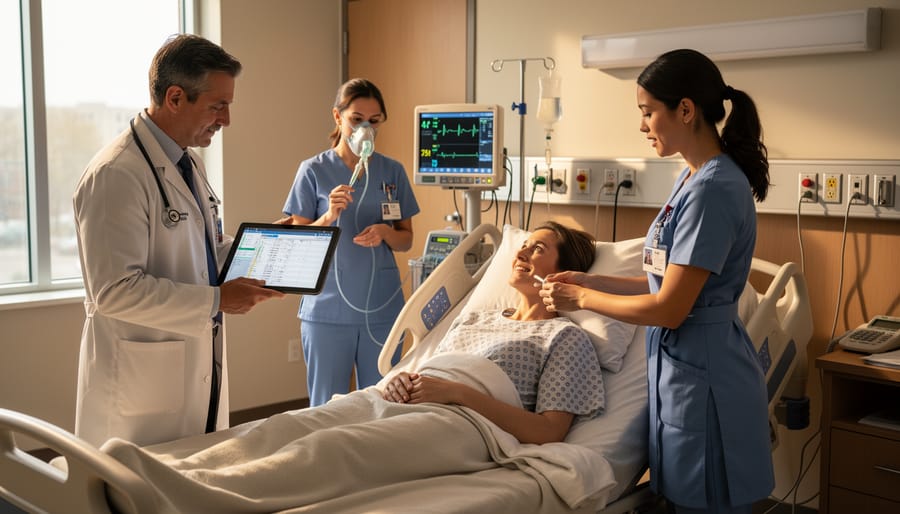
When nurses, physicians, pharmacists, social workers, and allied health professionals truly work as a team, rather than in parallel silos, patient outcomes improve measurably. Research shows that interprofessional collaboration improves outcomes by reducing duplicated efforts, catching errors earlier, and ensuring nothing falls through the cracks during transitions of care.
Sarah Chen, a registered nurse in a Calgary hospital’s medical unit, describes a case that illustrates this dynamic. An elderly patient admitted with pneumonia also had diabetes, chronic heart failure, and lived alone. Sarah worked closely with the attending physician to adjust medications as the patient’s respiratory status improved, collaborated with the pharmacist to simplify the discharge medication regimen, and brought in a social worker to arrange home care and community supports before discharge. The physiotherapist joined rounds to assess mobility, and the dietitian provided meal planning guidance that addressed both the diabetes and heart condition.
“Everyone brought their expertise, but we listened to each other,” Sarah explains. “The pharmacist caught a potential drug interaction I hadn’t spotted. The social worker identified that the patient couldn’t manage complex medication timing at home, which changed our discharge plan completely.”
This kind of collaboration and communication doesn’t happen automatically, it requires intentional effort, mutual respect, and systems that support regular team interaction. But when it works, patients receive truly comprehensive care rather than fragmented treatment from disconnected specialists.
Peer Support and Mentorship Networks
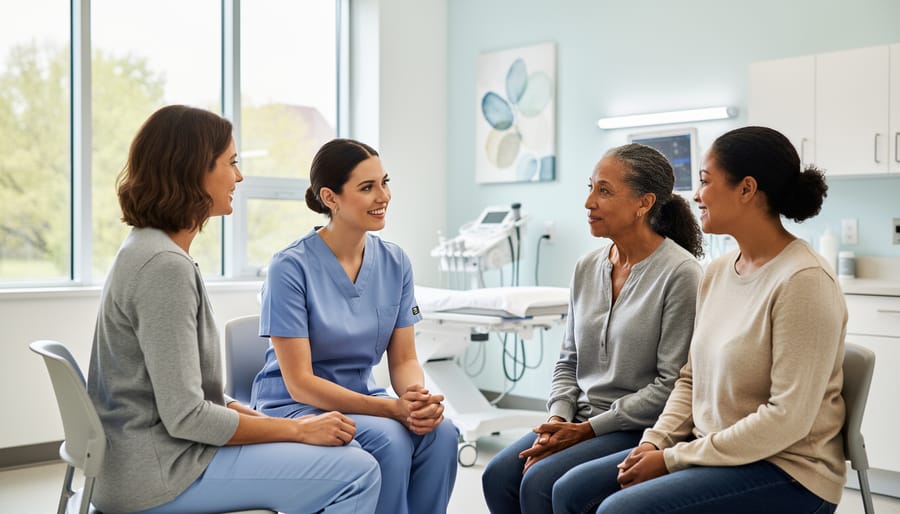
Peer support and mentorship networks form the backbone of professional resilience in Canadian nursing. When experienced nurses share their knowledge with newer colleagues, they create a safety net that helps everyone practice with greater confidence and competence. This support happens formally through structured mentorship programs and informally through the relationships nurses build over shared shifts and challenging cases.
Formal mentorship programs pair seasoned nurses with those newer to the profession or transitioning to unfamiliar practice areas. These relationships provide a safe space to ask questions, discuss difficult situations, and learn the unwritten rules that textbooks never teach. Health Canada recognizes the value of professional development and mentorship in supporting nurse retention and advancing practice quality across healthcare settings.
Informal peer networks matter just as much. The nurse who checks in during a tough shift, the colleague who shares a hard-won lesson about managing a complex case, the friend who listens after a difficult day, these connections sustain nurses through the demands of the profession. Many nurses describe their peer networks as essential to their ability to continue practicing with compassion and skill, especially during challenging periods.
These support systems strengthen nursing as a whole. Knowledge flows between generations and specialties, new graduates develop competence more quickly, and experienced nurses stay engaged by contributing their expertise. When nurses actively support each other, everyone benefits, including the patients who receive their care.
Community-Based Nursing Initiatives Across Canada
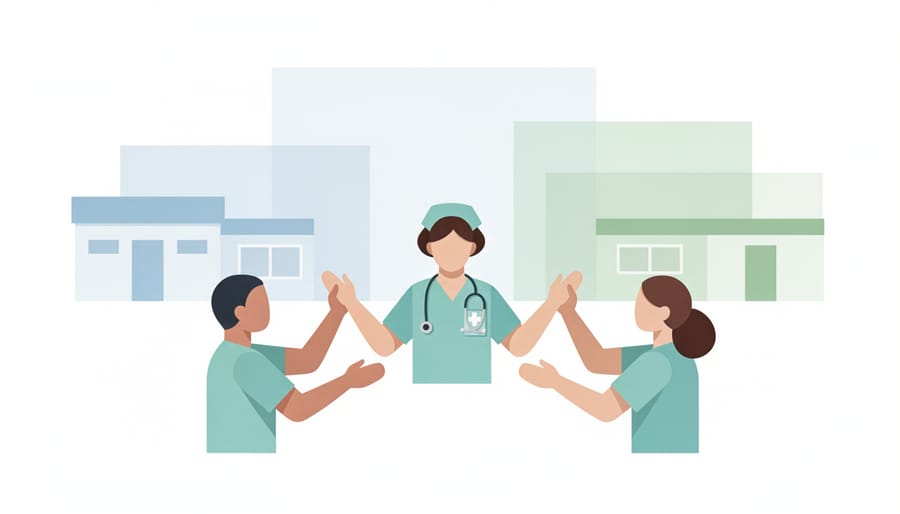
Community nursing initiatives across Canada demonstrate the profound impact nurses have when they meet patients where they are. From mobile health clinics in Vancouver’s Downtown Eastside to telemedicine programs in Nunavut, nurses are designing creative solutions that address the specific health needs of their communities.
In urban centres, nurses lead programs that tackle complex social determinants of health. Toronto’s community health centres employ nurse practitioners who provide primary care to marginalized populations, offering services in multiple languages and connecting patients with housing support, food security programs, and mental health resources. Montreal nurses have developed specialized programs for newcomers to Canada, helping immigrants and refugees navigate the healthcare system while addressing trauma-informed care needs.
Rural and remote communities present different challenges that Canadian nurses meet with resourcefulness and determination. In northern Saskatchewan, public health nurses travel vast distances to deliver prenatal care, immunization programs, and chronic disease management to First Nations communities. These nurses often work independently, making clinical decisions without immediate physician backup while building trust through cultural humility and long-term relationships with community members.
- Mobile wound care clinics in British Columbia that serve homeless populations and prevent emergency department visits
- School-based health programs in Nova Scotia where nurses address both physical health and mental wellness
- Diabetes prevention initiatives in Manitoba that incorporate traditional Indigenous healing practices alongside evidence-based nursing care
- Harm reduction programs across multiple provinces where nurses provide supervised consumption services, naloxone training, and non-judgmental support
- Telehealth nursing services in Yukon that connect patients in isolated communities with specialized care
What makes these initiatives successful isn’t just clinical expertise, it’s nurses’ willingness to listen, adapt, and work within the realities of each community. A nurse running a seniors’ wellness program in rural New Brunswick approaches care differently than one working in Calgary’s inner city, yet both share the same commitment to meeting patients where they are. These programs typically operate with modest budgets and small teams, relying on nurses’ ability to coordinate services, advocate for resources, and build partnerships with local organizations. The real measure of impact isn’t captured in statistics but in the individual lives changed, the diabetic patient who gains better control, the isolated senior who finds connection, the person struggling with addiction who receives compassionate care.
Building Connections: How Nurses Can Strengthen Community Ties
Professional Networking and Development
Professional associations like the Canadian Nurses Association and provincial colleges offer conferences, workshops, and certification programs where nurses meet colleagues facing similar challenges and share practical solutions. Online communities, from professional LinkedIn groups to nursing forums, let you ask questions, celebrate wins, and learn from peers across the country at any hour. Continuing education events, whether virtual webinars or in-person seminars, build clinical skills while creating natural opportunities to connect with mentors and collaborators. Many hospitals and health authorities run interprofessional rounds, journal clubs, or quality improvement projects where nurses contribute ideas and learn from different specialties. These connections matter because they expose you to diverse approaches, help you avoid burnout through shared understanding, and remind you that the challenges you face aren’t yours alone. A single conversation with a nurse from another unit or province can shift your perspective or solve a problem you’ve been wrestling with for months.
Engaging with Patient Communities
Understanding the communities your patients call home strengthens your ability to provide truly person-centered care. When you know the local resources, cultural practices, and barriers your patients face, you can tailor interventions that actually work in their daily lives.
Cultural competency starts with curiosity and respect. Take time to learn about the cultural backgrounds represented in your practice area, not through stereotypes, but through genuine conversations with patients and community members. Understanding health beliefs, communication preferences, and family structures helps you build trust and deliver care that aligns with patients’ values.
Social determinants of health, income, housing, food security, transportation, profoundly affect health outcomes. When you recognize how these factors shape your patients’ lives, you can connect them with appropriate resources and advocate for their needs. Documenting these considerations through good nursing notes ensures the entire care team understands the full context.
Participating in community health initiatives, whether health fairs, screening programs, or education sessions, takes your expertise beyond hospital walls. These connections help you understand community needs firsthand while building relationships that make patients more comfortable seeking care when they need it.
Stories from the Frontline: Canadian Nurses Making a Difference
Sarah Chen remembers the moment everything changed in her emergency department. After years of working parallel shifts with colleagues but rarely connecting, a new collaborative rounds model brought nurses, physicians, and social workers together each morning. Within weeks, the team was catching discharge barriers earlier, sharing insights across disciplines, and supporting each other through difficult cases.
“We stopped working in silos and started working as a community,” Sarah says. The shift didn’t just improve morale, it transformed patient outcomes. Families noticed the difference too, commenting on how the entire care team seemed to speak the same language.
In rural Saskatchewan, James Okonkwo discovered the power of peer mentorship when he joined a provincial telehealth network connecting experienced and newer nurses across isolated communities. Through monthly video calls and an active messaging group, nurses shared protocols for complex cases, discussed cultural safety approaches for Indigenous patients, and reminded each other they weren’t alone.
“That network became my lifeline during tough shifts. Knowing I could reach out at 2 a.m. to a nurse three hundred kilometres away who understood exactly what I was facing, that’s community in action.”
James now mentors three nurses in remote postings, passing forward the support that sustained him.
In Montreal, Amélie Dubois leads a community health team addressing social determinants through collaborative care. Her nurses work alongside housing advocates, mental health counselors, and community health workers, applying principles similar to the AACN 4 spheres of care to address patients’ full needs. The team meets weekly to coordinate care for vulnerable populations, sharing knowledge across professional boundaries.
These stories illustrate a common thread: when nurses build genuine connections, with colleagues, with other professionals, with the communities they serve, everyone benefits. The work becomes more sustainable, the care more comprehensive, and the impact more profound.
The strength of Canadian nursing has never rested on individual practitioners working in isolation. It’s built on connections, between colleagues who share knowledge over coffee, between experienced mentors and new graduates finding their footing, between nurses and the communities they serve with dedication and care.
Throughout your career, you’ll encounter moments when collaboration makes the difference. A colleague’s insight might help you solve a complex patient problem. A professional network might open doors to new learning opportunities. Your participation in a community health initiative might address needs you couldn’t tackle alone. These aren’t exceptional circumstances, they’re the everyday fabric of nursing practice.
Every nurse brings unique experiences, perspectives, and strengths to the profession. Whether you’re working in a bustling urban emergency department, a remote northern community, a long-term care facility, or anywhere in between, what you know and what you’ve learned matters. Sharing that knowledge strengthens everyone around you.
The Canadian nursing community thrives when nurses actively participate, joining professional discussions, supporting peers through challenging shifts, engaging with the communities where patients live, and contributing to the collective wisdom of the profession. You don’t need grand gestures or formal leadership roles to make a difference. Small acts of connection ripple outward.
As healthcare continues to evolve, the nurses who build strong professional networks and community ties will be best positioned to adapt, grow, and advocate for better patient care. Start wherever you are. Reach out, connect, and contribute. Canadian nursing grows stronger with your voice in it.