
The highest-paying nursing careers in Canada in 2026 include advanced practice roles like Nurse Practitioners, Clinical Nurse Specialists, and Nurse Anesthetists, with compensation influenced by specialization, geographic location, education level, and years of experience. These positions represent the pinnacle of clinical nursing practice, offering not just higher salaries but greater autonomy, expanded scope of practice, and leadership opportunities that shape patient care across the country.
Understanding nursing salary ranges matters whether you’re a student mapping your career trajectory or an experienced RN considering your next professional move. Our compensation guide reveals that salary differences between nursing roles can be substantial, sometimes varying by 40% or more depending on specialization and province.
Consider Maria, a registered nurse from Edmonton who spent eight years in medical-surgical nursing before pursuing her Nurse Practitioner certification. The additional education required dedication, but the expanded scope allowed her to diagnose, order tests, and prescribe medications independently. Beyond the financial benefits, she found renewed purpose in providing continuity of care to her patients in a rural primary care setting where physician shortages left gaps in access.
Canadian healthcare delivery relies on this spectrum of nursing expertise. From bedside care to advanced clinical practice, each role serves distinct patient populations and addresses specific healthcare needs. Provincial health systems, collective bargaining agreements, and regional demand all shape compensation packages, creating variations that make location and specialty selection crucial career decisions.
This roundup examines ten distinct nursing roles ranked by earning potential, explaining the qualifications required, responsibilities involved, and factors that drive compensation differences across Canada’s provinces and territories.
How We Ranked These Nursing Roles
We ranked these nursing roles primarily by typical compensation packages across Canada, drawing on general market patterns rather than specific dollar figures. Our methodology weighs base salary positioning, required credentials and education level, scope of practice, and the degree of specialization or advanced training each role demands.
Several factors make direct salary comparisons challenging in Canadian nursing. Provincial pay scales vary significantly, a role commanding strong compensation in Alberta may sit differently relative to other positions in Ontario or British Columbia. Union agreements, employer type (public health authority versus private clinic), years of experience, and additional certifications all shift where individual nurses land within broad salary bands.
We also considered total compensation beyond base pay: shift differentials for nights and weekends, northern or remote allowances, pension contributions, and professional development support. A role ranked lower by base salary alone might offer compelling total packages when these elements combine. This ranking gives you a framework for understanding which nursing paths typically command higher earning potential, while recognizing your actual salary will depend on your unique circumstances and career choices.
1. Nurse Practitioner (NP)

Nurse Practitioners hold the highest earning potential in Canadian nursing, with compensation packages that reflect their advanced practice authority and expanded scope. NPs diagnose conditions, order and interpret diagnostic tests, prescribe medications, and provide comprehensive patient care, often serving as primary care providers in their communities.
The role demands significant investment in education beyond basic nursing. After earning your RN and accumulating clinical experience, you’ll complete a graduate-level nurse practitioner program and meet CNO NP registration requirements in Ontario or equivalent provincial standards elsewhere in Canada. The additional credentials include a master’s degree and certification in your chosen specialty area, whether family, pediatrics, adult care, or another focus.
This advanced preparation translates to strong compensation across Canada, though exact figures vary considerably by province, employer type, and practice setting. NPs in remote communities often receive enhanced packages including northern allowances and housing benefits. Those in hospital settings may earn differently than colleagues in community health centres or private practice.
When Melissa Tremblay completed her NP certification after twelve years as a floor nurse in New Brunswick, she found the transition both challenging and rewarding. “The autonomy was what I’d been working toward,” she explains. “I can now manage my own patient panel, make clinical decisions independently, and truly shape care plans from start to finish.” Her expanded responsibilities came with compensation that recognized the additional expertise and accountability she brought to her rural family practice, where she often serves as the primary healthcare provider for patients who would otherwise travel hours to see a physician.
2. Clinical Nurse Specialist (CNS)
Clinical Nurse Specialists occupy a unique position in Canadian healthcare, bridging the gap between bedside care and organizational improvement. Unlike nurse practitioners who focus on direct patient care and diagnosis, CNSs serve as expert consultants who work across systems to improve patient outcomes, develop evidence-based protocols, and mentor nursing staff in specialized areas of practice.
CNSs typically concentrate in specific clinical domains, oncology, cardiology, mental health, pediatrics, or wound care, among others. In these roles, they conduct research, implement quality improvement initiatives, and serve as clinical resources for complex patient situations. A CNS in cardiac care, for instance, might develop post-operative recovery protocols, consult on challenging cases, and train nurses in advanced cardiac monitoring techniques, all while maintaining some direct patient contact.
The educational pathway requires a master’s degree in nursing with a clinical nurse specialist focus, though some provinces are moving toward requiring doctoral preparation for advanced practice roles. CNSs must also maintain registration with their provincial nursing regulatory body and often pursue additional certifications in their specialty area.
Compensation for Clinical Nurse Specialists reflects their advanced education and specialized expertise, though exact figures vary significantly by province, employer, and years of experience. These roles typically fall within the higher salary ranges for nursing positions in Canada, positioning CNS work as a financially viable career choice for nurses seeking to impact healthcare delivery at both the individual and systems level.
3. Nurse Anesthetist (Certified Registered Nurse Anesthetist)
In Canada’s perioperative settings, nurse anesthetists, formally known as Certified Registered Nurse Anesthetists (CRNAs) in some jurisdictions, work alongside anesthesiologists to provide anesthesia care during surgery and invasive procedures. This specialized role demands exceptional clinical judgment and technical precision. Nurse anesthetists administer and monitor anesthesia, adjust medications in real time based on patient response, and manage airways during critical moments.
The path to this role requires significant investment in advanced education and training. Most nurse anesthetists begin as registered nurses with several years of acute care or critical care experience before pursuing specialized certification. In Canada, this typically involves completing graduate-level education focused on anesthesia practice, pharmacology, and advanced pathophysiology. Some pursue certification through programs aligned with American Association of Nurse Anesthetists standards, while others follow provincial regulatory pathways.
The compensation for nurse anesthetists reflects both the extensive training required and the high-stakes nature of the work. These professionals carry tremendous responsibility, they monitor patients’ vital functions during their most vulnerable moments and make split-second decisions that directly impact surgical outcomes. The role demands continuous vigilance, advanced pharmacological knowledge, and the ability to respond instantly to complications.
Shift differentials for evening, overnight, and weekend surgical cases often supplement base compensation. Many nurse anesthetists work in hospital operating rooms, but opportunities also exist in outpatient surgical centers, dental surgery practices, and specialized procedural units. The combination of technical expertise, critical thinking demands, and patient safety responsibility positions this role among the higher-earning nursing specializations in Canada.
4. Nursing Manager/Director

Nursing managers and directors occupy leadership positions that bridge clinical care and administrative operations. They oversee nursing staff, manage departmental budgets, ensure quality standards, coordinate with other healthcare professionals, and implement policies across units or entire facilities. These roles demand a combination of advanced clinical knowledge, leadership skills, and business acumen.
Compensation for nursing managers reflects these multifaceted responsibilities. While specific figures vary considerably based on the size of the healthcare organization, geographic location, and scope of authority, these positions typically offer higher pay than direct bedside nursing roles. Managers in large urban hospitals generally earn more than those in smaller rural facilities, and directors with organization-wide responsibilities command higher salaries than unit-level managers.
Most nursing management positions require a bachelor’s degree in nursing at minimum, with many employers preferring or requiring a master’s degree in nursing administration, health services management, or a related field. Extensive clinical experience, often five to ten years, is typically expected before transitioning into leadership.
The role comes with distinct challenges. Managers navigate staffing shortages, budget constraints, and the pressure of balancing administrative demands with patient care quality. They handle personnel issues, performance evaluations, and strategic planning while remaining accountable for outcomes across their departments. Despite these demands, many nurses find management rewarding, appreciating the opportunity to shape workplace culture, mentor newer nurses, and influence care delivery at a systems level rather than focusing solely on individual patients.
5. Intensive Care Unit (ICU) Nurse
ICU nurses work at the sharp edge of critical care, managing patients who need constant monitoring and rapid intervention. You’ll care for individuals recovering from major surgery, experiencing life-threatening complications, or requiring mechanical ventilation and other advanced life support. The role demands quick thinking, technical precision, and emotional resilience as you make decisions that directly impact survival outcomes.
To work in intensive care, you need your RN licence plus specialized critical care certification. Many employers require or strongly prefer the Canadian Nurses Association’s Critical Care Nursing Certification (CNCC), which validates your expertise in hemodynamic monitoring, ventilator management, and complex pharmacology. You’ll also complete unit-specific training in equipment operation and protocols for your particular ICU setting, whether medical, surgical, cardiac, or neurological.
The work is physically and mentally demanding. ICU nurses typically handle one to two patients per shift, compared to four or more on general wards, because the acuity level requires intensive attention. You’ll interpret continuous cardiac monitoring, adjust vasoactive drips, coordinate with multiple specialists, and support families facing uncertain outcomes. Night shifts, weekends, and holidays are standard, though many units offer shift differentials that boost overall earnings.
Compensation reflects both the specialized skills and the intense nature of ICU work. While exact figures vary by province, employer, and experience level, ICU positions generally sit in the upper tier of staff nursing roles across Canada. Union agreements in provinces like Ontario and British Columbia typically include premiums for critical care certification, and many hospitals add shift differentials for nights and weekends that ICU nurses frequently work.
6. Emergency Room (ER) Nurse
Emergency room nurses work at the frontline of acute care, managing patients with conditions ranging from minor injuries to life-threatening trauma. The role demands rapid assessment skills, the ability to prioritize multiple critical situations simultaneously, and comfort with medical uncertainty. ER nurses must think quickly, communicate clearly with multidisciplinary teams, and remain calm when seconds matter.
The work environment is unpredictable by nature. You might stabilize a cardiac arrest patient, manage a pediatric respiratory emergency, and treat a complex fracture within the same hour. This intensity requires specialized training in advanced cardiac life support, trauma nursing, and triage protocols. Many ER nurses pursue additional certifications in emergency nursing to strengthen their clinical expertise and expand their scope of practice.
Compensation for ER nurses reflects both the demanding nature of the work and the premium placed on evening, night, and weekend availability. Shift differentials typically add significant value to base wages, with night shifts and weekends commanding higher hourly rates. Many emergency departments also offer premium pay for on-call availability and stat coverage.
The role offers strong earning potential across Canadian provinces, though exact figures vary by region, facility size, and collective agreements. Urban trauma centers and regional emergency hubs generally provide higher compensation packages than smaller community hospitals. Beyond base salary, many ER positions include retention bonuses, continuing education allowances, and comprehensive benefits that recognize the physical and emotional demands of emergency nursing.
7. Operating Room (OR) Nurse

Operating room nurses form the backbone of surgical teams across Canada, coordinating complex procedures and maintaining the sterile environments essential for patient safety. These specialized nurses work directly with surgeons, anesthesiologists, and surgical technologists throughout operations ranging from routine appendectomies to intricate cardiovascular repairs.
The role demands extensive technical knowledge. OR nurses must master surgical instrumentation for multiple specialties, anticipate surgeon needs during procedures, and respond instantly to complications. They’re responsible for patient positioning, equipment setup, specimen handling, and maintaining accurate surgical counts to prevent retained instruments. This precision work requires additional certification beyond basic nursing registration. Most Canadian hospitals require perioperative nursing courses, and many OR nurses pursue certification through the National Association of PeriOperative Registered Nurses or equivalent Canadian credentials.
The specialized nature of this work, combined with the critical importance of surgical outcomes, positions OR nursing as one of the better-compensated nursing specialties. Factors affecting individual compensation include surgical specialty focus, on-call requirements, and shift timing. Many OR nurses work irregular hours since emergency surgeries occur around the clock, and these shifts often carry premium pay rates.
Career advancement in perioperative nursing can lead to roles as OR charge nurses, clinical educators for surgical services, or perioperative nurse practitioners. The technical expertise gained in the operating room also opens doors to medical device companies, surgical equipment sales, and consulting positions that value hands-on surgical experience.
8. Nurse Educator
Nurse educators serve a vital dual function in Canadian healthcare, combining clinical expertise with teaching responsibilities to prepare the next generation of nurses. These professionals work in university nursing programs, college settings, hospital-based education departments, and continuing education roles, designing curricula, supervising clinical placements, and ensuring students develop both theoretical knowledge and practical skills.
The path to becoming a nurse educator typically requires a master’s degree in nursing or nursing education, with many positions preferring candidates holding a PhD. Most nurse educators maintain active clinical practice or recent clinical experience to ground their teaching in real-world patient care scenarios. Their responsibilities extend beyond classroom instruction to include developing learning materials, evaluating student competencies, staying current with evolving healthcare practices, and often mentoring new faculty members.
Compensation for nurse educators reflects their advanced education and specialized role, though exact figures vary considerably based on employment setting, academic rank, geographical location, and years of experience. Academic positions often include benefits such as pension plans, professional development funding, and research opportunities. Clinical educators working within hospital systems may earn differently than those in post-secondary institutions, with some positions offering hybrid teaching-clinical arrangements.
The role demands strong communication abilities, patience, and a genuine passion for shaping future practitioners. Nurse educators directly influence healthcare quality by teaching critical competencies like nursing documentation clinical reasoning, and evidence-based practice. For experienced nurses seeking to share their knowledge while stepping back from direct bedside care, education offers a rewarding career transition that contributes lasting value to the profession.
9. Registered Nurse (RN) in Remote/Northern Communities
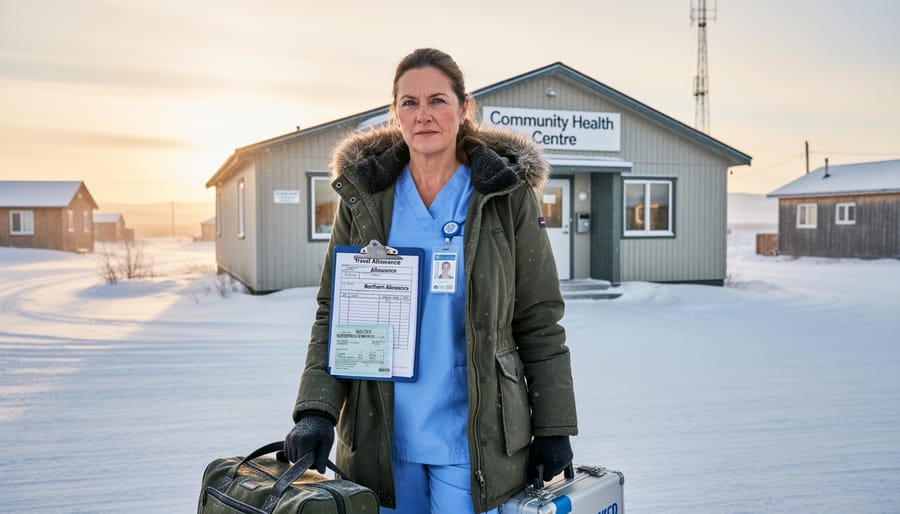
Registered nurses who work in remote and northern communities across Canada often discover that their total compensation packages rival or exceed those of specialized urban roles, thanks to a combination of factors that recognize the unique demands of these positions.
These nurses typically work in settings ranging from small community health centres to nursing stations where they may be the only healthcare provider for hundreds of kilometres. The expanded scope of practice in these areas means RNs often perform duties that would require specialized training or advanced practice roles in urban settings, including minor surgical procedures, emergency interventions, and extended diagnostic responsibilities.
The financial appeal of remote nursing extends well beyond base salary. Isolation allowances acknowledge the challenges of living far from urban amenities and family networks. Many positions include fully subsidized housing, eliminating what would be a major expense elsewhere. Some employers provide travel allowances with regular flights home, while others offer northern living allowances that significantly boost take-home pay.
Additional benefits often include accelerated vacation accrual, professional development funding, student loan forgiveness programs, and pension contributions that exceed standard packages. Some communities offer signing bonuses or retention incentives for nurses who commit to multi-year terms.
The combination of these elements creates total compensation packages that make remote nursing a financially strategic career move, particularly for nurses seeking to maximize earnings while gaining diverse clinical experience. The immersive nature of the work and tight-knit communities also provide professional growth and personal rewards that extend beyond the financial benefits.
10. Public Health Nurse
Public health nurses work at the intersection of healthcare and community wellness, focusing on disease prevention, health education, and population-level interventions rather than individual patient care. They design immunization programs, track communicable diseases, respond to public health emergencies, and address social determinants of health across diverse populations. This role requires strong assessment skills, cultural competency, and the ability to navigate complex social systems affecting community health outcomes.
Most public health nurses work for provincial health authorities, municipal health departments, or federal agencies like the Public Health Agency of Canada, which means stable government employment with comprehensive benefits packages. These positions typically offer defined benefit pension plans, generous vacation time, professional development funding, and work-life balance that’s difficult to find in acute care settings. The regular weekday schedules without mandatory overtime or shift work appeal to nurses seeking predictable hours, though outbreak response occasionally requires flexibility.
How to become a nurse in public health often starts with general nursing experience, then transitions through additional training in epidemiology, health promotion, and community assessment. While base compensation may sit lower on the nursing salary spectrum compared to specialized acute care roles, the total compensation package, including pension contributions, job security, and sustainable work conditions, makes public health nursing financially competitive over a career span. Many nurses find the preventive focus and population impact deeply rewarding, viewing public health as where they can create lasting change beyond individual patient encounters.
Factors That Influence Nursing Salaries in Canada
Understanding the factors that shape nursing compensation helps you make informed career decisions and recognize your true earning potential across Canada’s diverse healthcare landscape.
Several interconnected variables determine what nurses actually take home:
- Provincial and territorial differences: Collective agreements vary significantly across Canada, with nurses in some provinces earning notably higher base rates than their counterparts doing identical work elsewhere
- Years of experience: Most union agreements include structured pay grids where your hourly rate increases with each year of service, typically plateauing after 8-10 years
- Certifications and specializations: Additional credentials in areas like critical care, perioperative nursing, or oncology often qualify you for higher pay bands or specialty premiums
- Geographic location: Urban centres generally offer higher base salaries but also higher living costs, while rural and remote positions may include housing allowances, isolation pay, and northern living supplements that significantly boost total compensation
- Union agreements: Collective bargaining outcomes directly impact your wages, benefits, shift premiums, and professional development funding
- Shift differentials: Evening, night, weekend, and statutory holiday shifts typically command premium rates ranging from a few dollars extra per hour to time-and-a-half or double-time pay
Your employment setting matters too. Nurses in academic health centres or specialized facilities may earn differently than those in community hospitals or long-term care, even within the same city. Public sector positions generally come with comprehensive benefits packages and defined pension plans that add substantial value beyond your base salary.
The relationship between compensation and what excellence means in nursing extends beyond dollars. Many nurses prioritize factors like professional autonomy, learning opportunities, work-life balance, and alignment with their values when evaluating total career satisfaction alongside financial considerations.
Advancing Your Nursing Career and Salary
Investing in your professional development can open doors to higher-paying roles and greater career satisfaction in Canadian nursing. Many nurses successfully increase their earning potential by pursuing strategic certifications and credentials that align with their interests while positioning them for advancement.
Additional certifications in specialized areas like critical care, oncology, or wound care demonstrate expertise and often qualify you for specialty pay differentials. Advanced degrees, particularly a Master of Science in Nursing, prepare you for nurse practitioner, clinical nurse specialist, or leadership positions that typically offer enhanced compensation packages. Professional development through workshops, conferences, and continuing education keeps your skills current and signals commitment to excellence.
Here are practical steps to advance your nursing career and boost your compensation:
- Identify a specialization that interests you and research the certifications required in your province
- Discuss career development goals with your manager to explore opportunities within your current organization
- Join professional nursing associations that offer mentorship, networking, and access to specialized training
- Consider leadership courses or an MBA to prepare for management roles with increased responsibilities
- Build sustainable work habits that avoid burnout while pursuing additional credentials
- Seek out preceptorship or mentorship roles that develop teaching skills valued in educator positions
Career progression takes time and intentional planning. One Toronto ICU nurse moved into a clinical nurse specialist role after completing her master’s degree part-time over four years while working full-time. She strategically chose electives aligned with her unit’s needs, which helped her employer recognize her growing expertise and eventually created a CNS position that leveraged her specialized knowledge in cardiovascular critical care.
How We Chose This List
We selected these nursing roles based on three primary criteria: compensation positioning within Canada’s healthcare landscape, the credentials and expertise required for each role, and the availability of reliable market data to support our rankings.
First, we prioritized roles that consistently command higher compensation packages across multiple provinces, drawing on general employment trends rather than specific dollar figures that fluctuate by region and employer. Second, we considered the level of education, certification, and specialization each role demands, recognizing that advanced practice and technical expertise typically correlate with increased earning potential. Third, we included roles where compensation reflects not just base salary but total packages, such as northern nursing positions with isolation pay and housing allowances, or leadership roles with administrative responsibilities.
We also balanced clinical specialties with leadership and community-focused positions to represent the full spectrum of nursing career paths. Our methodology acknowledges that actual salaries vary significantly based on provincial regulations, collective agreements, years of experience, and workplace settings. This list reflects general compensation positioning rather than precise figures, empowering you to research specific opportunities in your province and specialty area while understanding broader career trajectories and the connection between advanced credentials and earning potential, knowledge that can inform both clinical practice and policy advocacy efforts.
Nursing Roles and Salaries in Canada Terms to Know
- Base Salary
- The standard hourly wage or annual income for a nursing position before additional compensation such as shift differentials, overtime, or location premiums are applied. Understanding base salary helps you compare roles across provinces and settings accurately.
- Shift Differential
- Extra pay added to your base rate for working less desirable hours, typically evenings, nights, weekends, or holidays. These premiums can significantly increase total earnings for nurses working non-standard schedules.
- Scope of Practice
- The legally defined set of procedures, assessments, and interventions a nurse can perform based on their credentials and provincial regulatory standards. Advanced roles like NPs have broader scopes that reflect their additional training and education.
- Collective Agreement
- A negotiated contract between nursing unions and employers that establishes wage scales, benefits, working conditions, and salary progression timelines. Most hospital and public health nurses in Canada work under these agreements.
- Isolation Allowance
- Additional compensation provided to nurses working in remote or northern communities to offset challenges like limited services, higher living costs, and geographic isolation. These allowances can make total compensation packages competitive despite lower base salaries.
When researching nursing roles, you’ll encounter these terms frequently in job postings, salary surveys, and professional discussions. Familiarizing yourself with this language helps you evaluate opportunities more effectively and understand how different compensation components combine to create your total earnings package. Provincial nursing regulatory bodies and professional associations often provide detailed information about scope of practice requirements for various roles, while union websites typically publish current collective agreements showing exact wage grids and progression schedules for represented positions.
Common Questions About Nursing Salaries in Canada
What can a new graduate nurse expect to earn in Canada?
Starting salaries for registered nurses vary significantly by province and employer, with most new graduates entering at the lower end of their province’s nursing pay scale. Your initial compensation will depend on the collective agreement in your region, whether you work in a hospital or community setting, and shift differentials for evenings, nights, or weekends.
How much do nursing salaries differ between provinces?
Provincial variations in nursing compensation reflect different healthcare funding models, cost of living, and collective bargaining agreements. Western provinces and territories often offer higher base rates and additional benefits to attract nurses, while each province sets its own pay scales through union negotiations and government healthcare budgets.
Should I negotiate my nursing salary, and how?
Most hospital and public health positions follow standardized union pay scales with little room for base salary negotiation, but you can sometimes negotiate sign-on bonuses, relocation assistance, shift preferences, or professional development funding. In non-unionized settings like private clinics or corporate health, research comparable roles and be prepared to discuss your certifications, experience, and specialized skills during salary discussions.
How quickly do nursing salaries increase over a career?
Most collective agreements include annual step increases based on years of service, typically moving nurses through several pay grades over their first decade of practice. Beyond these scheduled increases, you can accelerate salary growth through advanced certifications, specialized training, leadership roles, or transitioning into higher-paying positions like nurse practitioner or clinical nurse specialist.
Beyond base salary, consider the full compensation package when evaluating nursing positions. Benefits like pension contributions, health and dental coverage, professional development allowances, and paid time off add substantial value to your total earnings. Remote and northern positions often include housing subsidies, travel allowances, and isolation pay that significantly boost overall compensation compared to base salary alone.
Canada’s nursing profession offers a rich variety of career paths, each bringing its own blend of clinical challenges, professional growth, and financial rewards. While compensation varies significantly based on your location, specialization, experience level, and practice setting, nursing consistently provides stable, meaningful work with competitive earning potential across the country.
The roles outlined in this article represent just a fraction of the possibilities available to Canadian nurses. Whether you’re drawn to advanced practice, critical care, leadership, education, or community health, you’ll find opportunities that align with your passions while supporting your financial goals. Remember that the numbers discussed here are general ranges, your actual compensation will reflect your unique combination of credentials, geography, employer, and experience.
What matters most is finding your fit within this diverse profession. The nurses who thrive aren’t necessarily those chasing the highest-paid positions, but those who’ve matched their skills and interests to roles where they can make a genuine difference. Canadian healthcare depends on dedicated nurses across all specialties and settings, and each role contributes essential value to patient care and community wellbeing.
Canadian Frontline Nurses exists to support you throughout your career journey, whether you’re exploring your first nursing role or considering your next professional move. We’re here to connect you with the resources, stories, and community you need to build a rewarding nursing career in Canada.